The Sports
What is Bobsleigh?
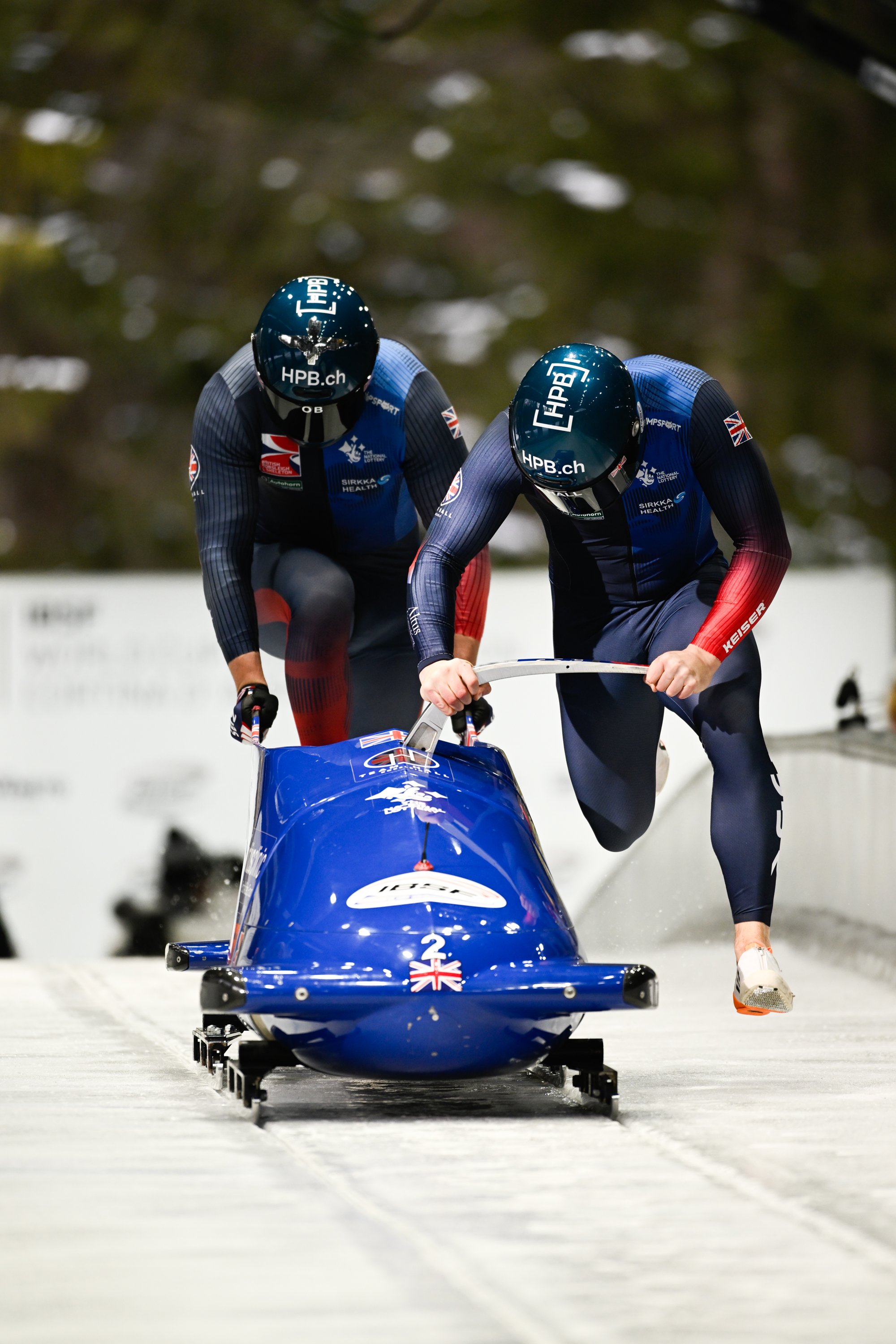
Bobsleigh sees men compete in 2-man and 4-man sleds and women compete in single person and 2-woman crews
They push the sled as a team and then all load into the bobsleigh in quick succession
The pilot or driver negotiates the sled through twists and turns at speeds of up to 156kph (97mph), over a course that is on average one mile long
When the bobsleigh reaches the finish line, the brakeperson slows the sled down to a stop but this is the only point where the brake is used
Crews have two or four timed runs down a track (four at World Championship and Olympic level and two in all other competitions), with the combined times resulting in a team’s final position in the standings
What is Skeleton?
Skeleton is traditionally an individual sport in which athletes compete in either a men's or women's field
The 2026 Olympic Winter Games will feature a mixed team competition for the first time but the athletes still push and steer the sled as individual racers
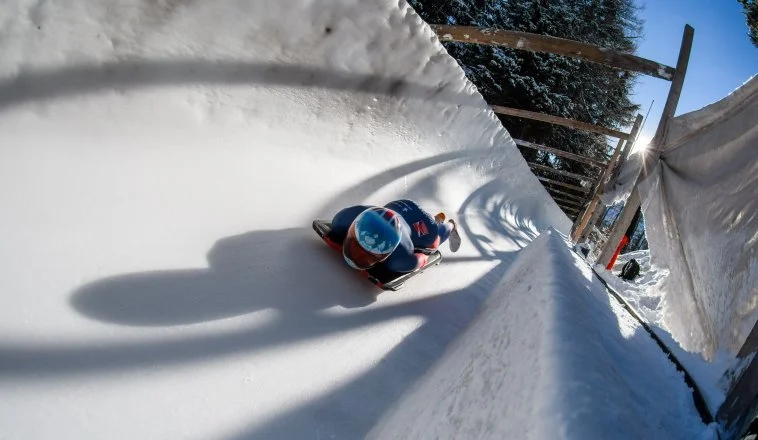
Athletes push the sled as fast they can before jumping on and then sliding head first, on their front, with their face milliimetres from the ice
Sliders must negotiate a series of twists and turns, while reaching speeds of up to 145km/h (90mph)
As with bobsleigh, athletes have either two or four runs down a track, with each run timed. The times are then added together to calculate the winner
What is Para Bobsleigh?
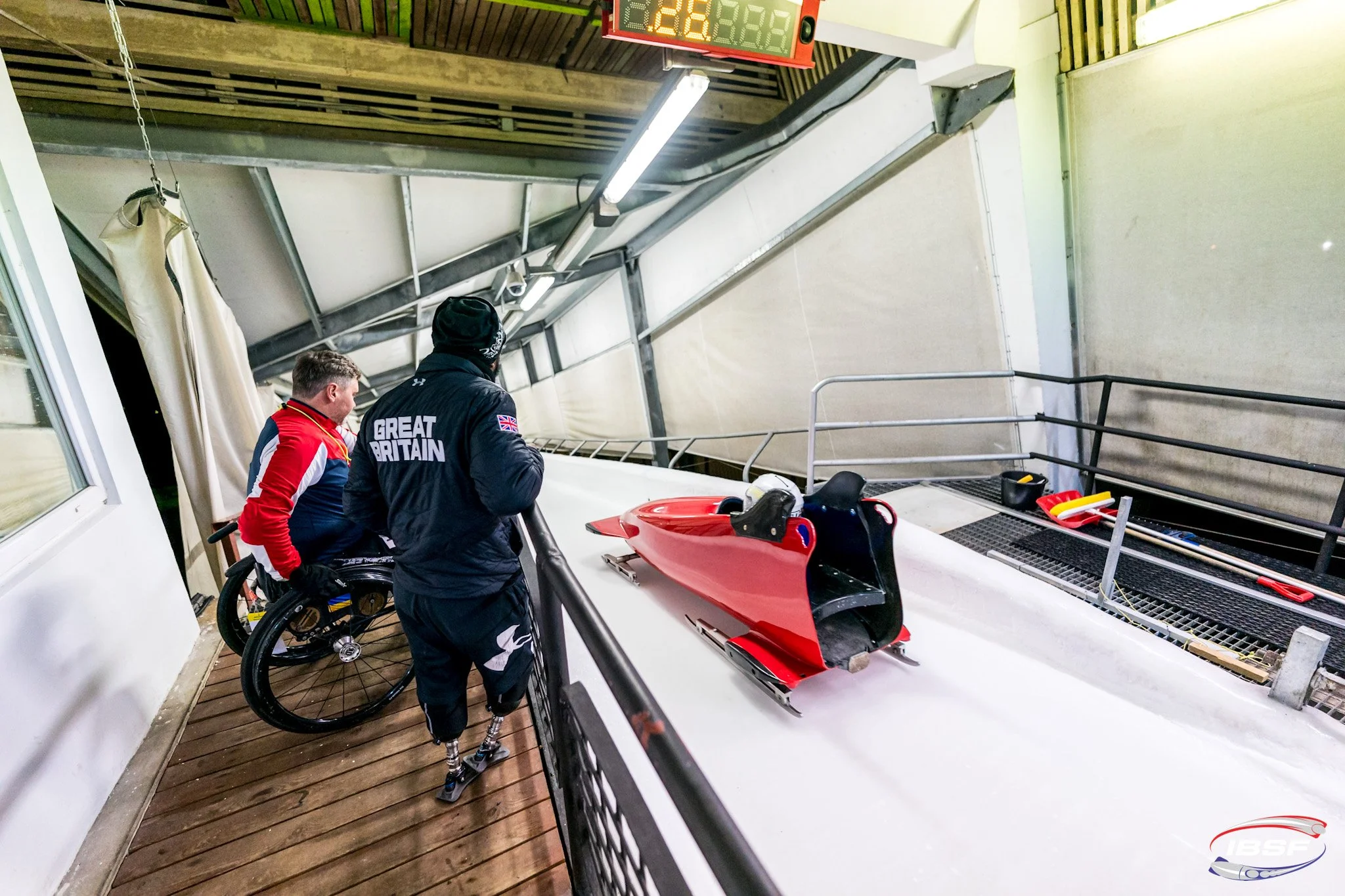
Para Bobsleigh sees men and women compete against each other in a single category
It is an individual sport rather than a crew-based competition
The running start is replaced by a catapult style system, meaning that the focus is on the drive element of the race
Events are hosted at a number of the same tracks used for other IBSF bobsleigh and skeleton events but not all tracks host Para Bobsleigh races
The Tracks
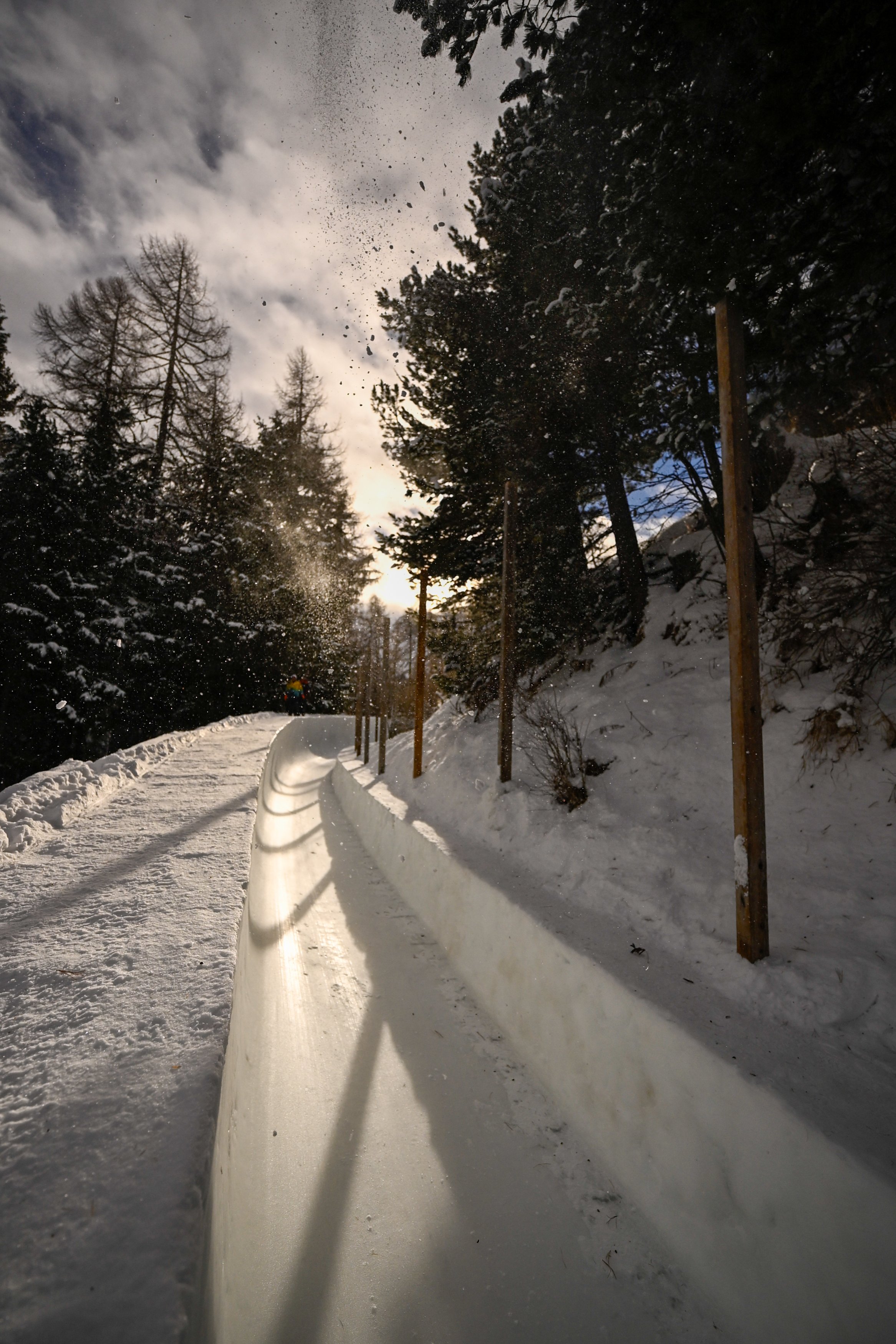
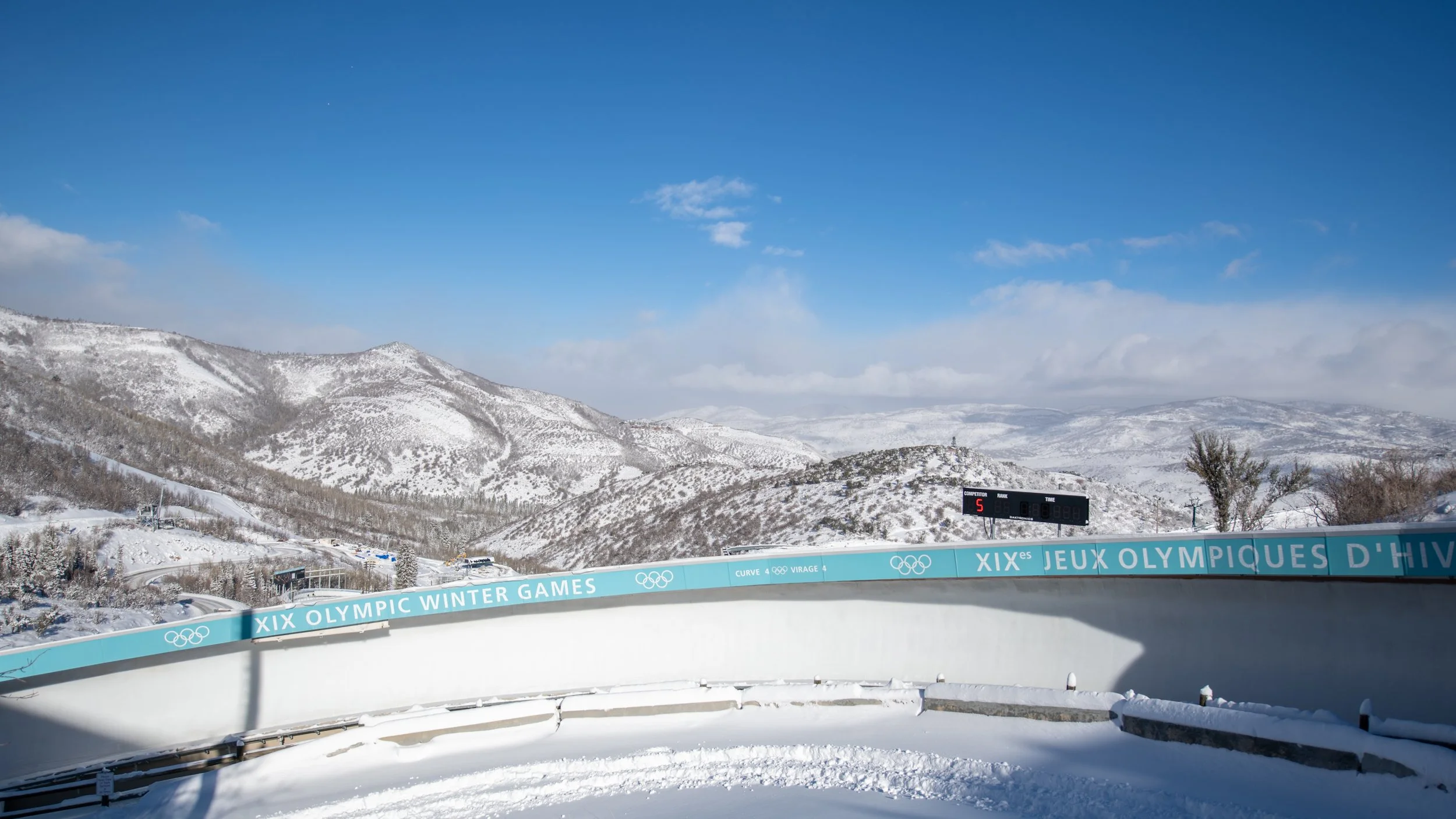
In the early days of both sports, all races were held on natural ice tracks. Today, with the exception of St Moritz, competitions take place on artificially refrigerated ice tracks
To create a refrigerated track, ammonia is pumped through pipes in concrete walls to cool them. Water is then sprayed on the concrete until it freezes. This is done repeatedly until layers and layers of ice are formed
Most tracks are between 1.2km and 1.8km in length and have their own unique characteristics and varying degrees of difficulty. The average gradient is between 8.5 and 10%, with a maximum of between 15 and 20%. The vertical drop (which is the difference in height between the start and finish of the track) is, on average, between 110m and 130m
Each track has a different combination of bends. Some, called ‘Kreisel’, loop through a full 360 degrees, where athletes negotiate the equivalent of a two-storey-high wall
The circuits
International competition is split across four different circuits: World Cup; Europe Cup; North American Cup and Asian Cup
Tracks in China, South Korea, Austria, France, Gemany, Italy, Latvia, Norway, Russia, Switzerland, Canada and the United States of America have hosted events over the past four Olympic cycles
Germany has the most tracks that feature on the international calendar (Altenberg, Konigssee and Winterberg, with Oberhof also having played a part on the Para Bobsleigh circuit)
The Olympic Winter Games is the biggest individual stand-alone event in the sports, taking place once every four years and with the next edition scheduled for Milan Cortina in February 2026
The World Championships take place in every non-Olympic year and are the showcase event of those seasons (the Para Bobsleigh World Championships are an annual competition as the sport does not yet feature in the Paralympic Games)