
About Skeleton
The Sled
The Basics
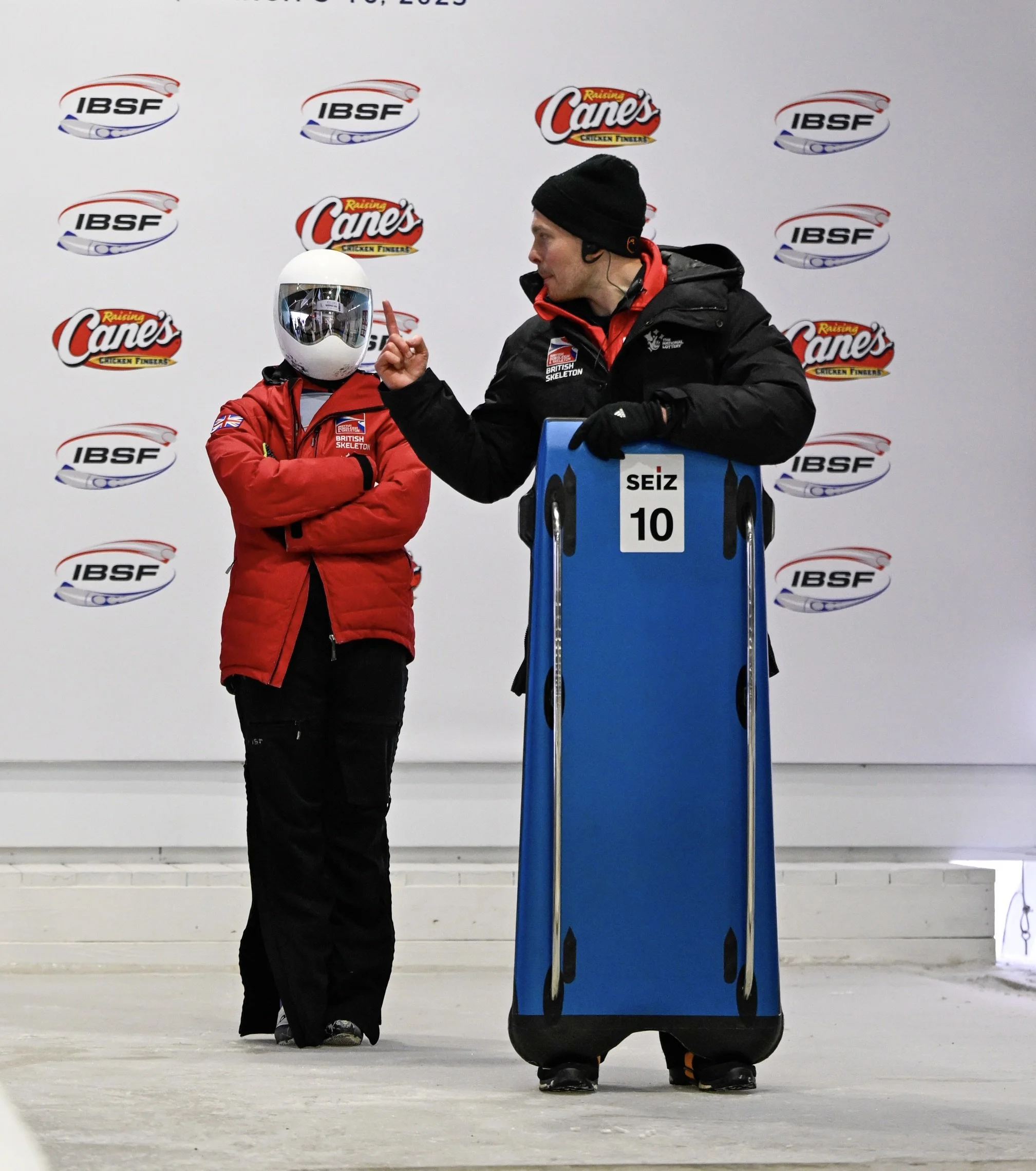
Everything about a skeleton sled is designed to be quick. Manufacturers are always looking for the best materials and technologies to make their sled more aerodynamic and faster than their competitors. All that technology means sleds aren’t cheap - if you wanted to buy one, it’ll cost you between £6,000 and £15,000.
Sleds have a steel frame and saddle to hold the rider in place. The base plate on the best sleds is made of carbon fibre because it’s extremely light, strong and great for steering.
There are no brakes or steering devices on a sled, so the rider must have quick reaction times to successfully negotiate corners.
Sleds are highly individual and can be customised to suit the rider’s preference or the conditions on the track. For example, if the ice is particularly hard, the athlete may choose to use a sled with a very sharp knife on its runners to improve their stability
There are limits to the size and weight of a sled during competitions. The current rules can be found on the IBSF website.
Sled Body
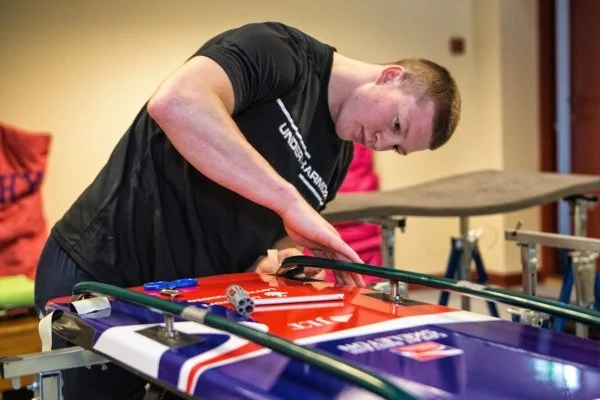
The sled body makes up the bulk of the sled. The rider lies on it, stomach down, head first. All competitive skeletons must be made of steel.
Runners
These are two long strips of stainless steel that sit on the bottom of either side of the sled. They are the only part of the sled that comes into contact with the ice.
Each runner is mounted on the sled and can be bowed to decrease the total area that touches the ice. This helps the athlete to steer the sled. By bowing the runner, an athlete makes the sled easier or harder to steer depending on ice conditions.
Athletes may have as many as six pairs to suit different ice conditions and temperatures.
Knife
As you might expect, the knife is the sharpest bit of the runner, designed to dig the runner, and ultimately the sled, into the ice so that the rider gets maximum grip.
Base Plate
The base plate is usually made of carbon fibre because it’s incredibly light. It’s designed so that the wind flow is pushed under the sled, making it more aerodynamic.
Saddle
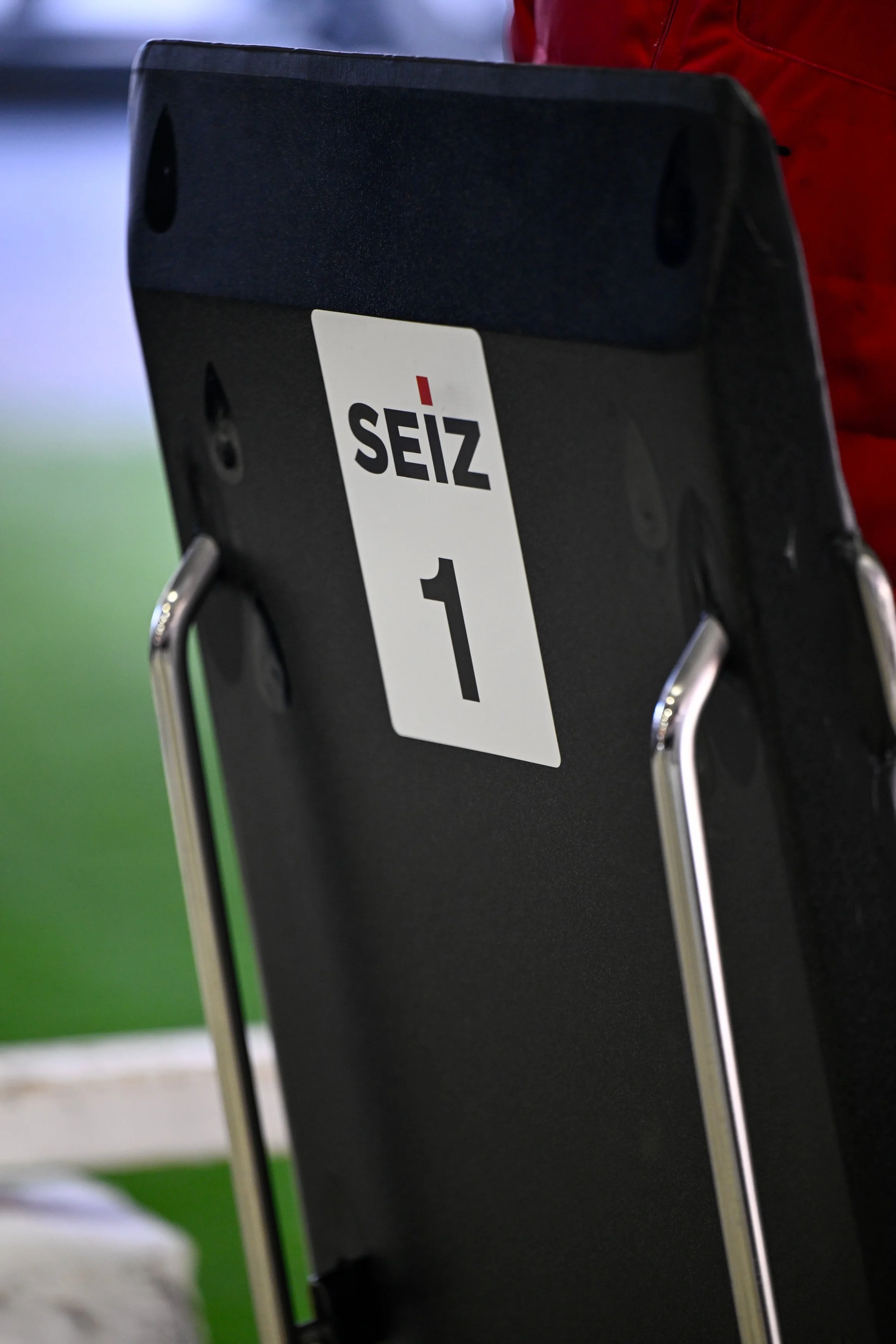
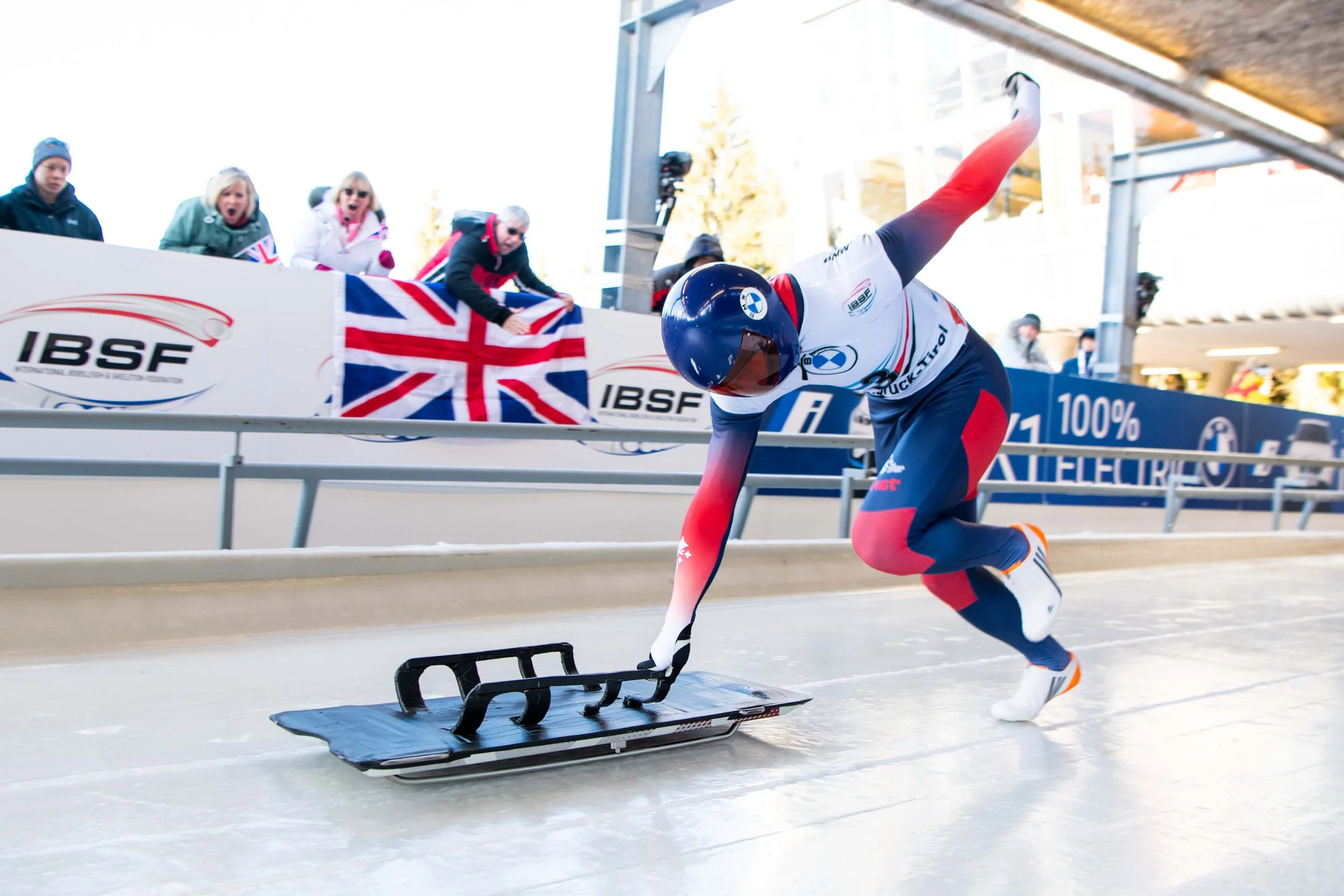
The rider holds on to these as they descend the course. Reaching speeds up to 140km/h, they must hold on tight!
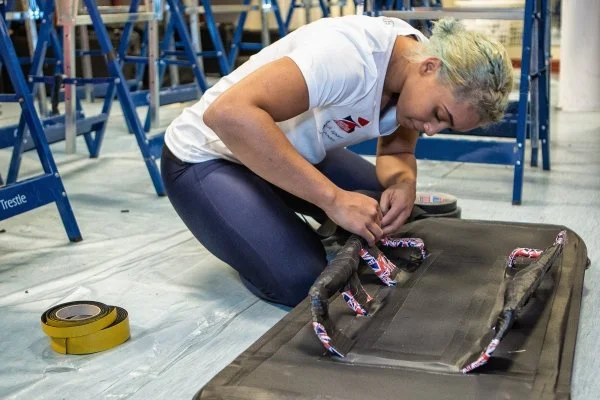
The saddle is made of steel and is covered with specialist Tesa adhesive tape and bolted to the frame. The tape, which remains adhesive even at really low temperatures, protects the rider from the sharp steel on the sled.
Bumpers
Just like the bumpers of a car, these reduce the shock caused to the sled’s body and protect the athletes if they hit the walls of the track.
-
The Sled
-
The Kit
-
The Technique