The BBSA

Remit

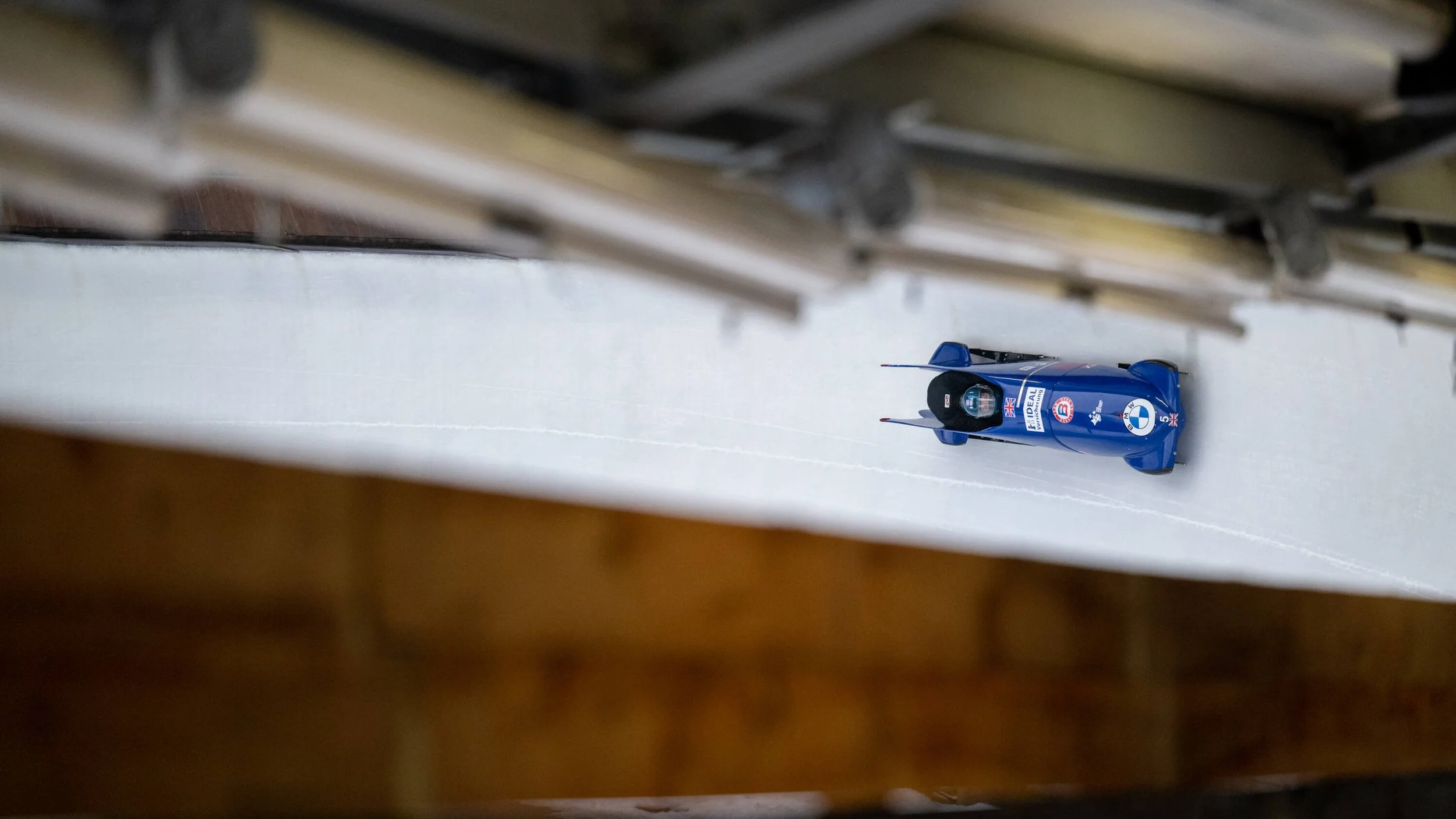
The remit of the BBSA is to act as the NGB for the sports of bobsleigh and skeleton in the UK. In so doing it sets out to encourage, promote, develop and control bobsleighing and skeleton in the UK amongst all sections of the community. The Association covers all aspects of the sports, from those who wish to be involved as spectators and supporters, to those who wish to participate at the amateur club level and those who represent the UK in international competition and Olympic Winter Games.

The BBSA is the representative body for bobsleighing and skeleton for the UK and is a member of International Federation (IBSF) and undertakes duties delegated to it by the IBSF.  It also develops and nurtures relationships with the national Sports Councils, the British Olympic Association and relevant UK Government and non-Governmental departments such as DCMS and UK Sport.


History

The recreational sport of tobogganing became popular in the second half of the 19th century and the first tobogganing club was formed in St Moritz, Switzerland, in 1887. The prospect of an Olympic Winter Games in 1924 prompted the formation on an international federation and the task was given to France, Great Britain, Switzerland and the USA.  

Thus, the Féderation Internationale de Bobsleigh et de Tobogganing (FIBT) was formed by its three charter members (France, GB and Switzerland) and delegates from Canada and the USA in November 1923, changing its name to the International Bobsleigh & Skeleton Federation in 2015.  

Although the British had been involved from the outset of the sports, the British Bobsleigh Association (BBA), became the official National Governing Body (NGB) for the sport of bobsleigh in 1926 in New York. At that time, the sport included 2-man bobsleigh, 4-man bobsleigh and skeleton bobsleigh, although in later years skeleton bobsleigh became known as skeleton. In 1980 the Association was incorporated to become the British Bobsleigh Association Ltd.

In 1991, a group of skeleton athletes formed a new membership association, BBSKA (although the BBA remained the NGB), and in 2006 the BBSKA became an incorporated company. Whilst skeleton had been included in the Winter Olympic Games in 1928 and 1948 in St Moritz, it returned to become a permanent sport with the Games in 2002. Likewise, although women had taken part in bobsleighing previously, women’s bobsleighing was also introduced into the Games in 2002. 

In an effort to bring greater coherence and cooperation between the delivery of bobsleigh and skeleton within the UK, the BBA changed its name to the British Bobsleigh & Skeleton Association (BBSA) in 2010, continuing as the NGB. 

A Remarkable British Success Story

The British Bobsleigh and Skeleton teams have a proud record of success on the world stage, both in the years preceding the merger of the British Bobsleigh Association and the British Bob Skeleton Association and the seasons that have followed the creation of the BBSA in 2015.

The British Skeleton team won a remarkable hat-trick of medals at the 2018 Olympic Winter Games in South Korea and have now won a staggering seven medals since the sport was re-introduced to the Olympic fold in 2002.

The bobsleigh programme most recently won Olympic bronze in 2014 in Sochi to take their own Olympic medal tally to five, while both sports have won multiple World Championship and World Cup medals since the last Olympic Games in 2022.