
The British Story:
SKELETON
The Start of Something Special
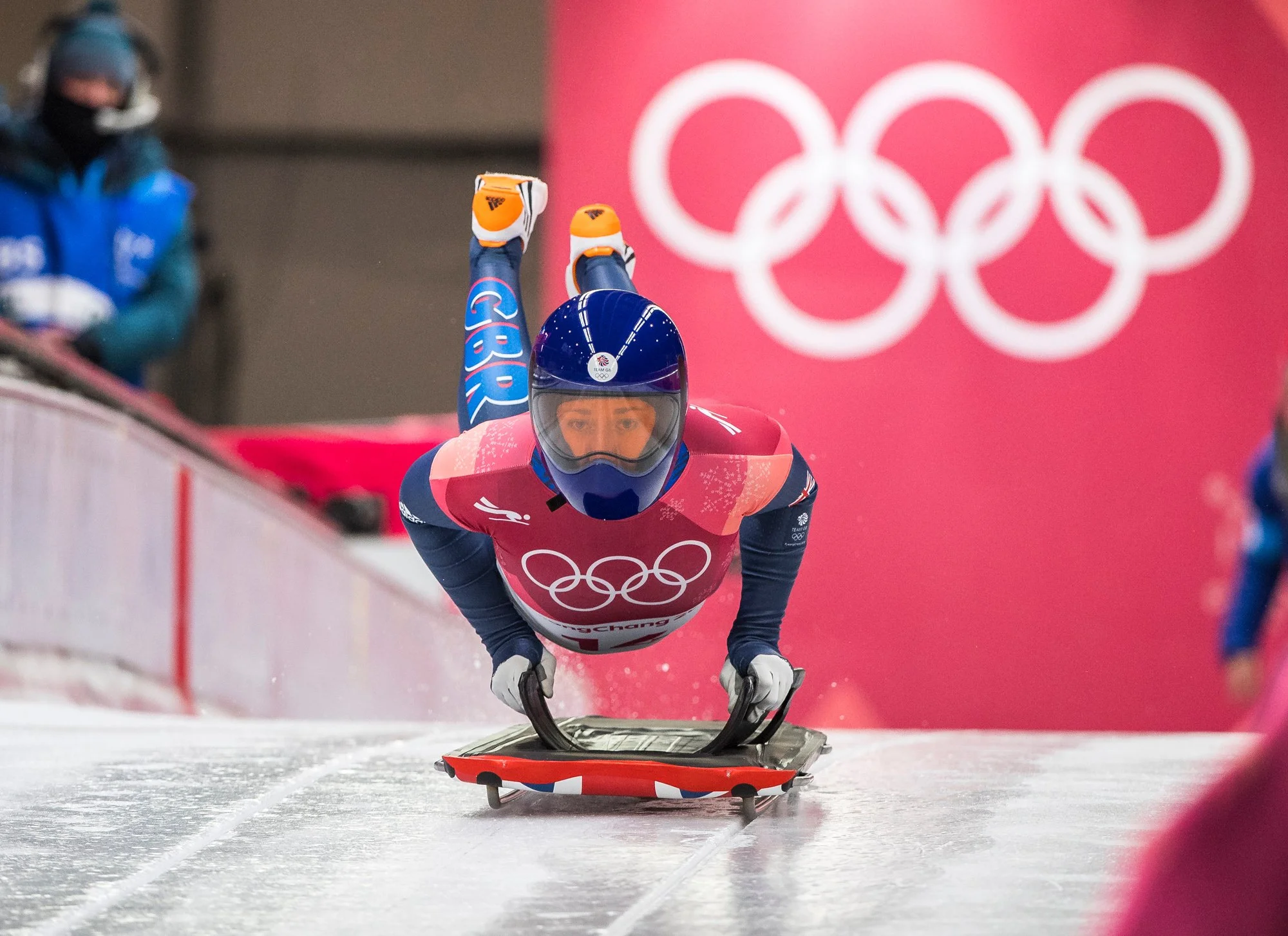
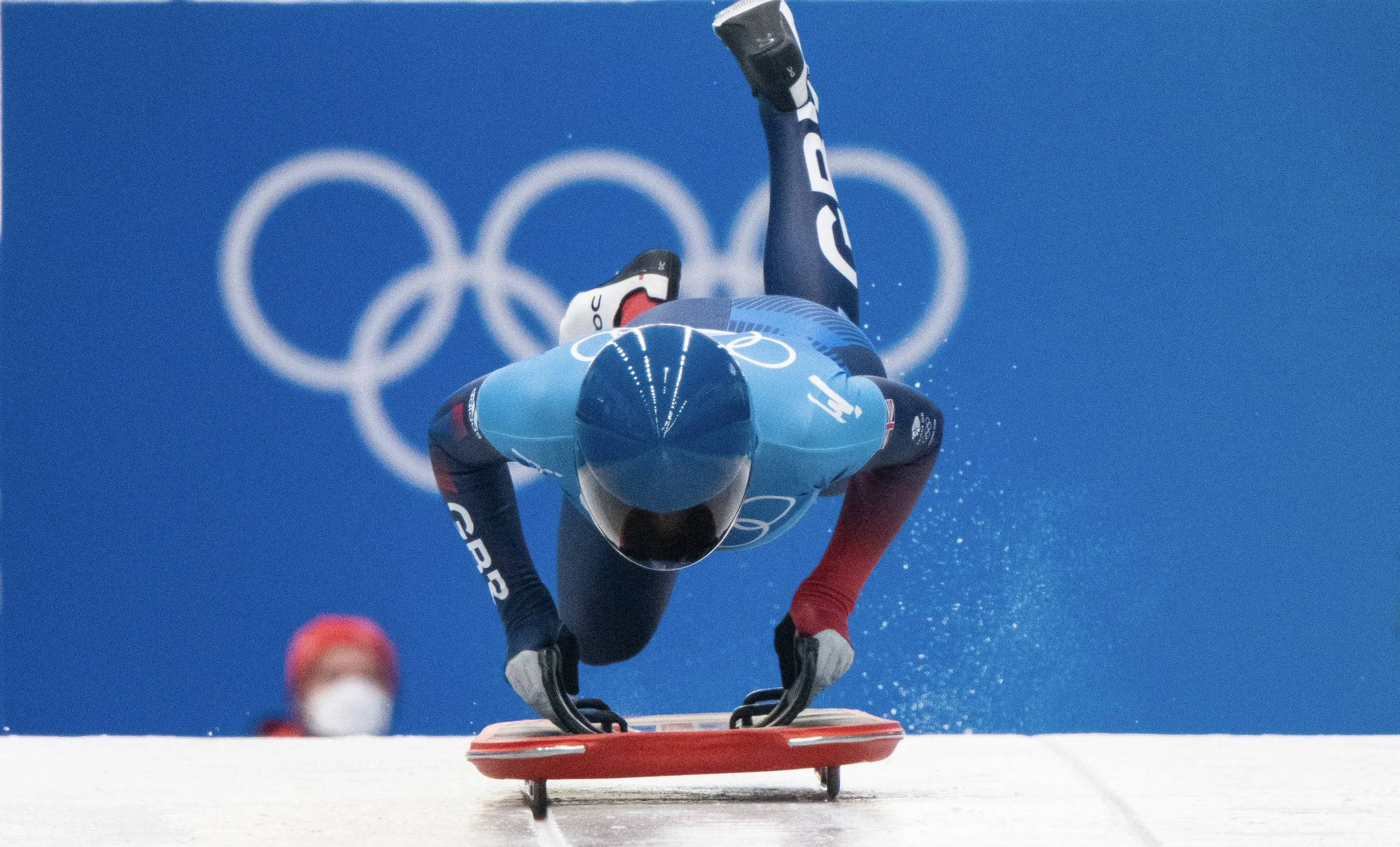
British Skeleton has come a long way since it was formed by a group of athletes in 1989. Originally called the British Bob Skeleton Association, its aim was to manage and increase the popularity of the sport throughout Great Britain - something it continues to do through the BBSA.
Back in 2000, the association decided it needed to find a home that could match its ambition. It moved from the south coast to Bath, where the athletes could take advantage of the University’s excellent sports facilities, including the only push start track in the country.
Repeated success has followed, with the sport now having won five Olympic golds, 11 Olympic medals, five World Championship crowns and 16 World Champs medals ahead of the 2026/27 sliding season.
Olympic Success
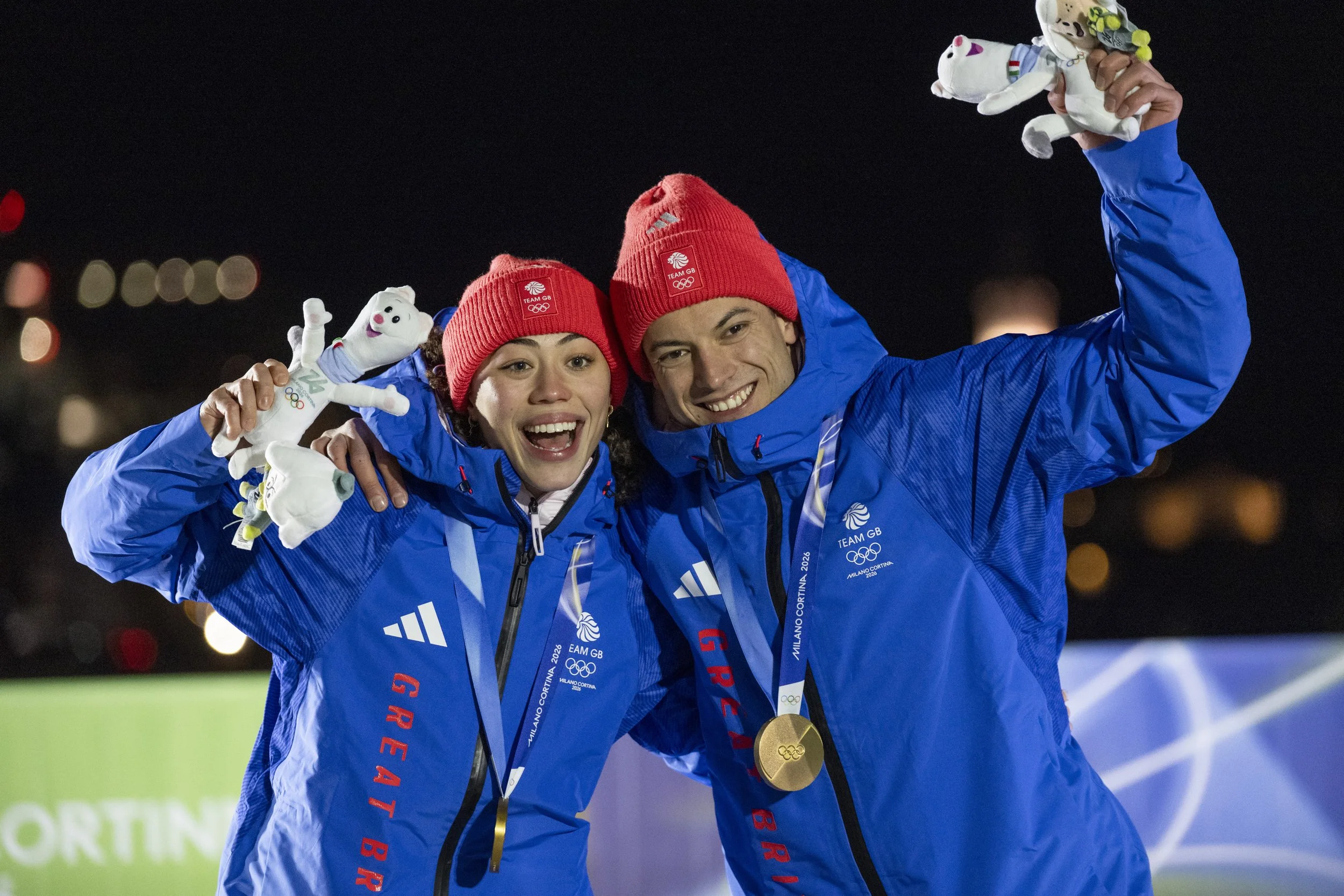
The British Skeleton team made history in 2026 when they became the first sport to win more than one gold medal for Great Britain at a single Olympic Winter Games.
Matt Weston won the men’s race in spectacular style before teaming up with Tabby Stoecker to triumph in the inaugural mixed team competition.
That dramatic double success in Milan Cortina is the latest in a long line of Olympic highlights for a team that has now won no fewer than five golds and 11 Olympic medals, making the podium at six of the seven Games since the sport’s reintroduction to the Olympic family in 2002.
The hard work first paid off when Alex Coomber won Olympic bronze at Salt Lake City in 2002 and more Olympic success followed in the next cycle, with Shelley Rudman winning a silver medal at Turin in 2006.
A run of three successive Olympic golds began in 2010, when Amy Williams became Team GB’s first female Olympic Champion in any sport for 58 years.
Lizzy Yarnold won back-to-back golds in Sochi in 2014 and PyeongChang in 2018 as she became the first British Winter Olympian to claim multiple titles.
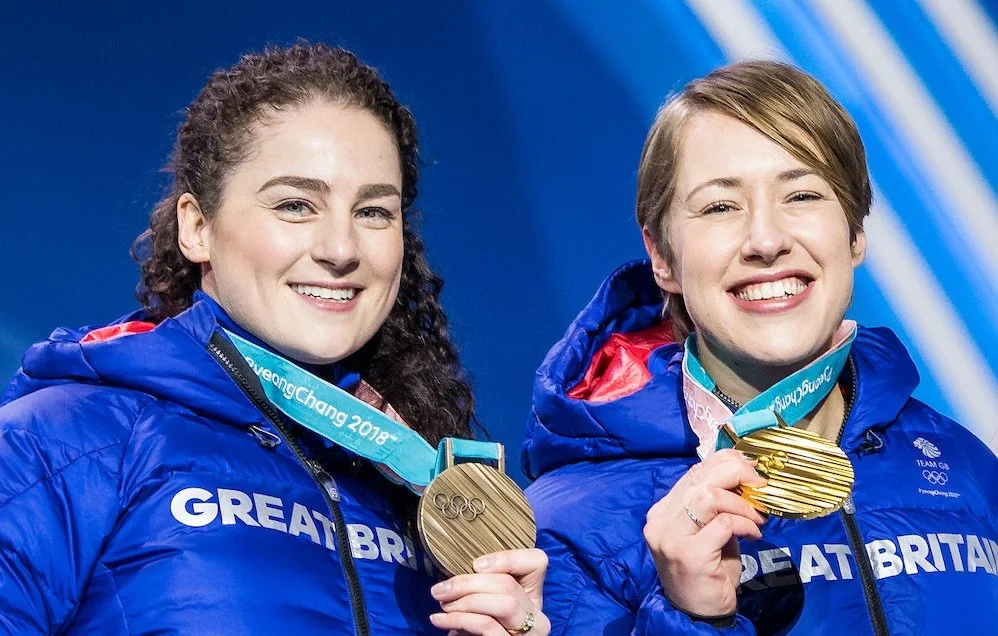
The 2018 Olympic campaign saw wider British Skeleton success, too, as the team brought an unprecedented hat-trick of medals home from South Korea. Dom Parsons’ bronze was a first in the men’s event since 1948 before bronze for Laura Deas alongside Yarnold’s gold created yet more history as two British athletes stood on the same Winter Olympic podium for the very first time.
Britain had previously won a brace of bronze medals in skeleton’s early years as an Olympic sport before a long absence, with David Carnegie finishing third in St Moritz in 1928 and John Crammond following suit at the same venue 20 years later.
Global Glory
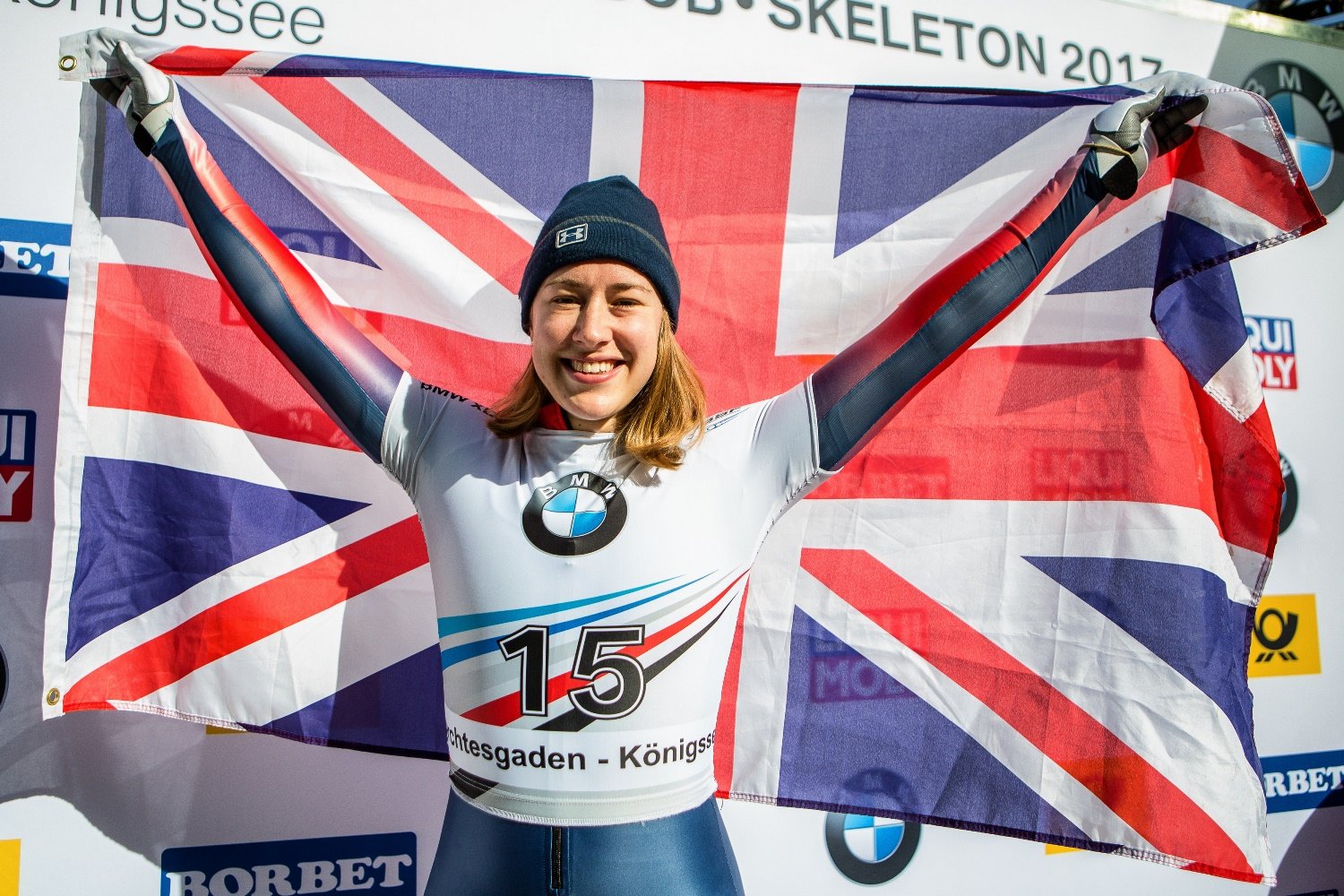
British sliders have also enjoyed plenty of significant success on the world stage away from the Olympic Winter Games.
In 2008, Kristan Bromley became the first man in history to win the World Championship, European Championship and World Cup in the same season. He also claimed World Cup and European gold in 2004, before winning the European title again in 2005.
Shelley Rudman became the first British woman to win World Championship gold in 2013, having been World Cup Champion the previous year and European Champion in 2009 and in 2011, and Alex Coomber won bronze at the World Championships the year before her Olympic medal in 2001.
Amy Williams took World Championship silver in 2009, as did Adam Pengilly, while Lizzy Yarnold won gold in 2015 and bronze in 2012 and 2017.
The 2015 triumph saw Yarnold complete a remarkable full house of honours as she won all four of the sport's major titles in the space of just over 400 days having previously tasted Olympic, European and overall World Cup glory.
Recent Results
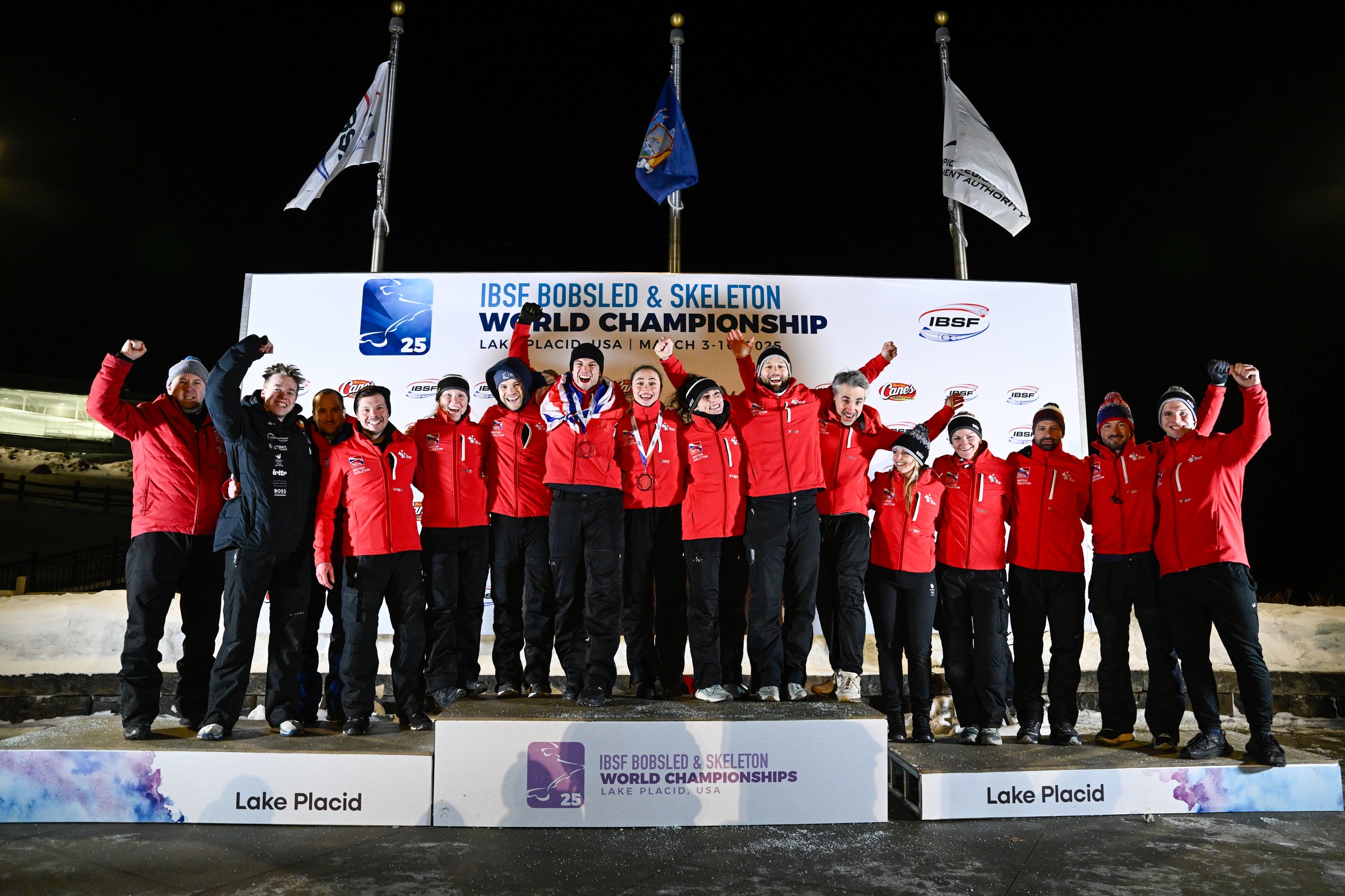
The last Olympic cycle saw unprecedented success across the board for British Skeleton, with record winning medal hauls on the World Cup circuit, at multiple World Championships and across the Overall World Cup calendar.
No fewer than eight medals were won at the sport’s biggest stand alone event outside of the Olympics, with Matt Weston becoming the first British men’s World Champion for 15 years in 2023, before winning the title again in 2025. Weston also won silver in 2024 and Marcus Wyatt did the same in 2025 when he joined Weston on the podium in Lake Placid for an historic British one-two.
World Championship team medals came courtesy of silvers for Weston and Laura Deas in 2023 and Weston and Tabby Stoecker in both 2024 and 2025, with Craig Thompson and Brogan Crowley bagging bronze in 2023.
Weston won back-to-back Overall World Cup crowns in 2024 and 2025 after silver in 2023, with Wyatt winning bronze in ‘23 and silver in ‘25, while Amelia Coltman, Tabby Stoecker and Freya Tarbit all joined Weston and Wyatt in winning individual World Cup race golds in the Milan Cortina cycle.
-
The Sled
-
The Kit
-
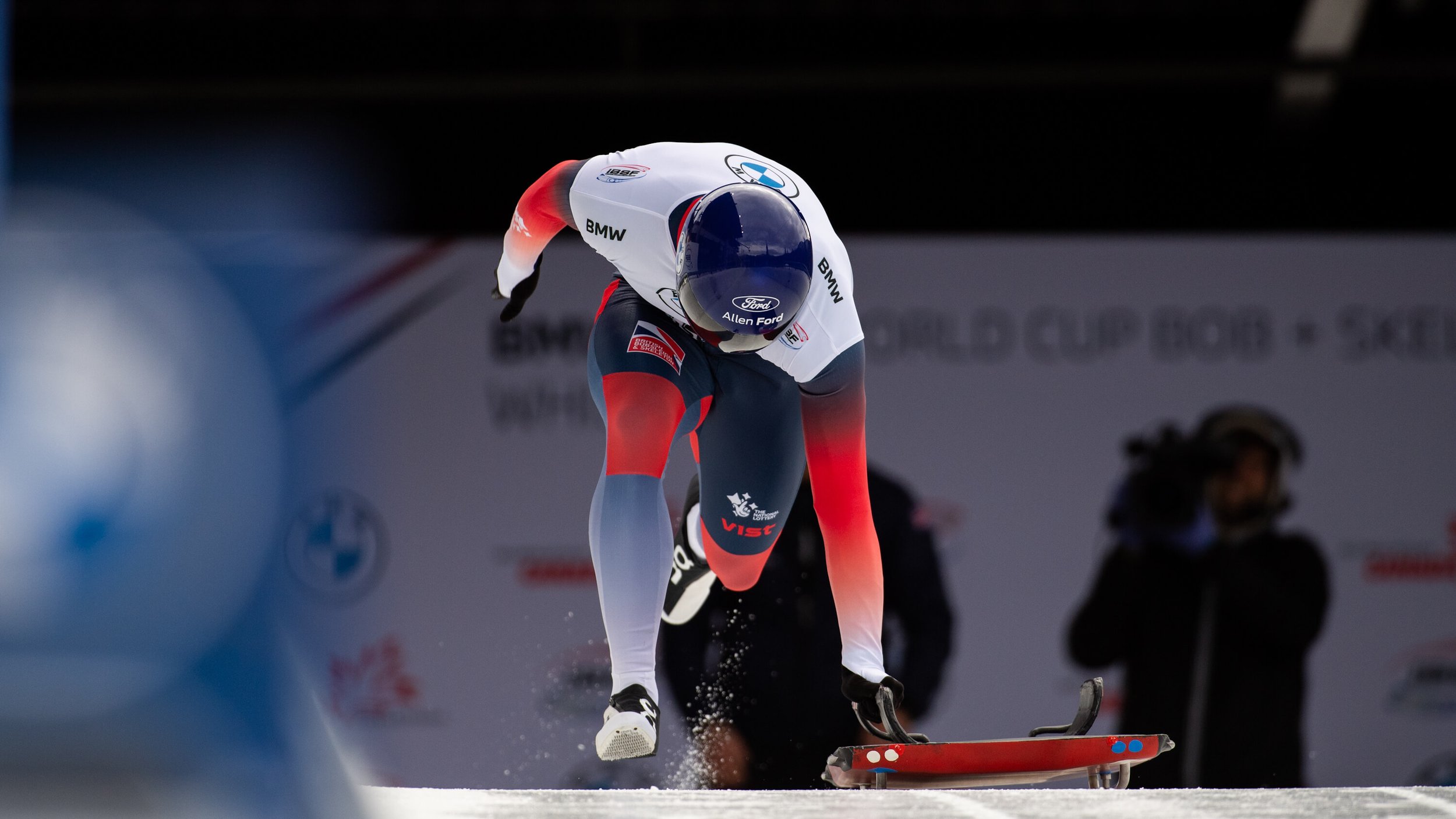
The Technique